
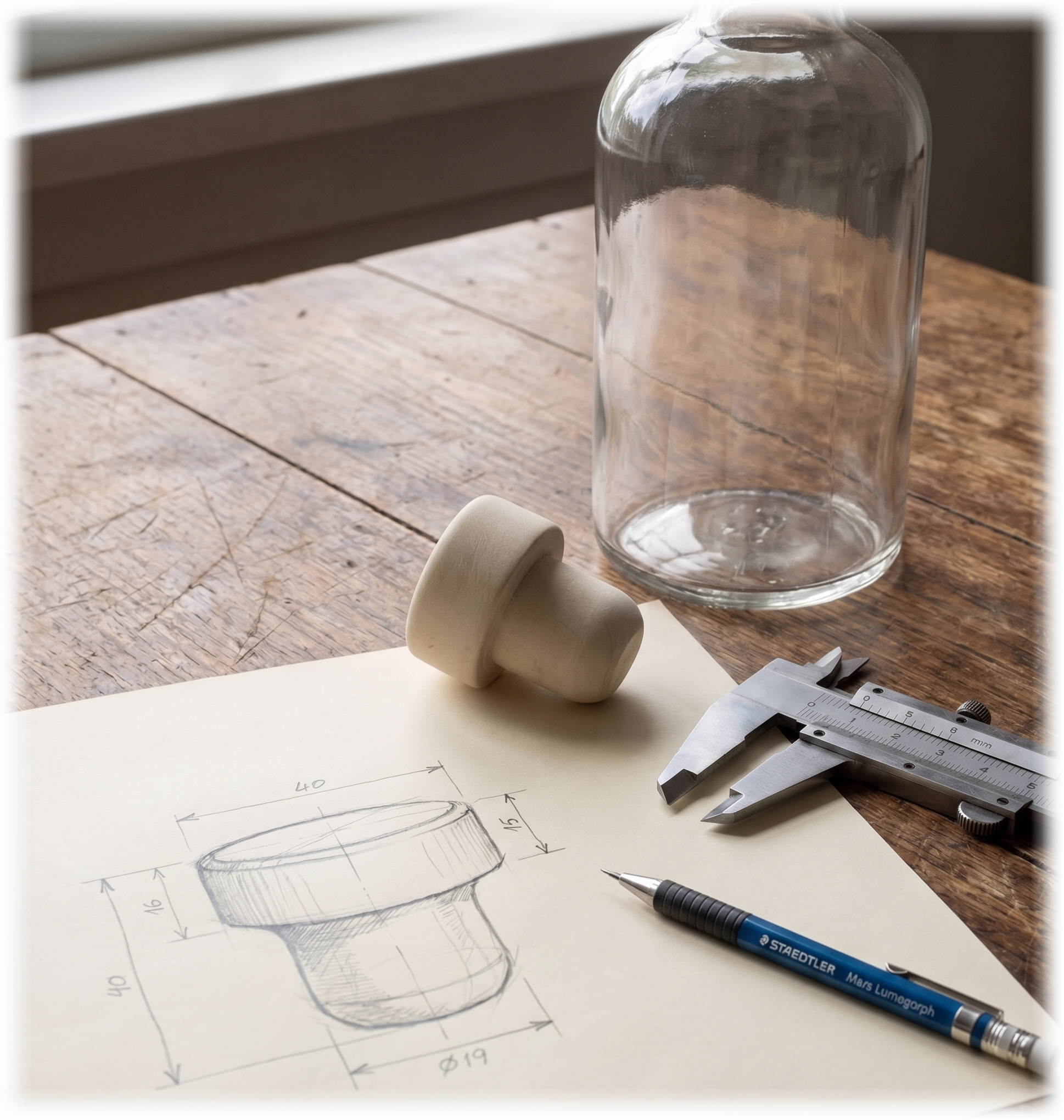
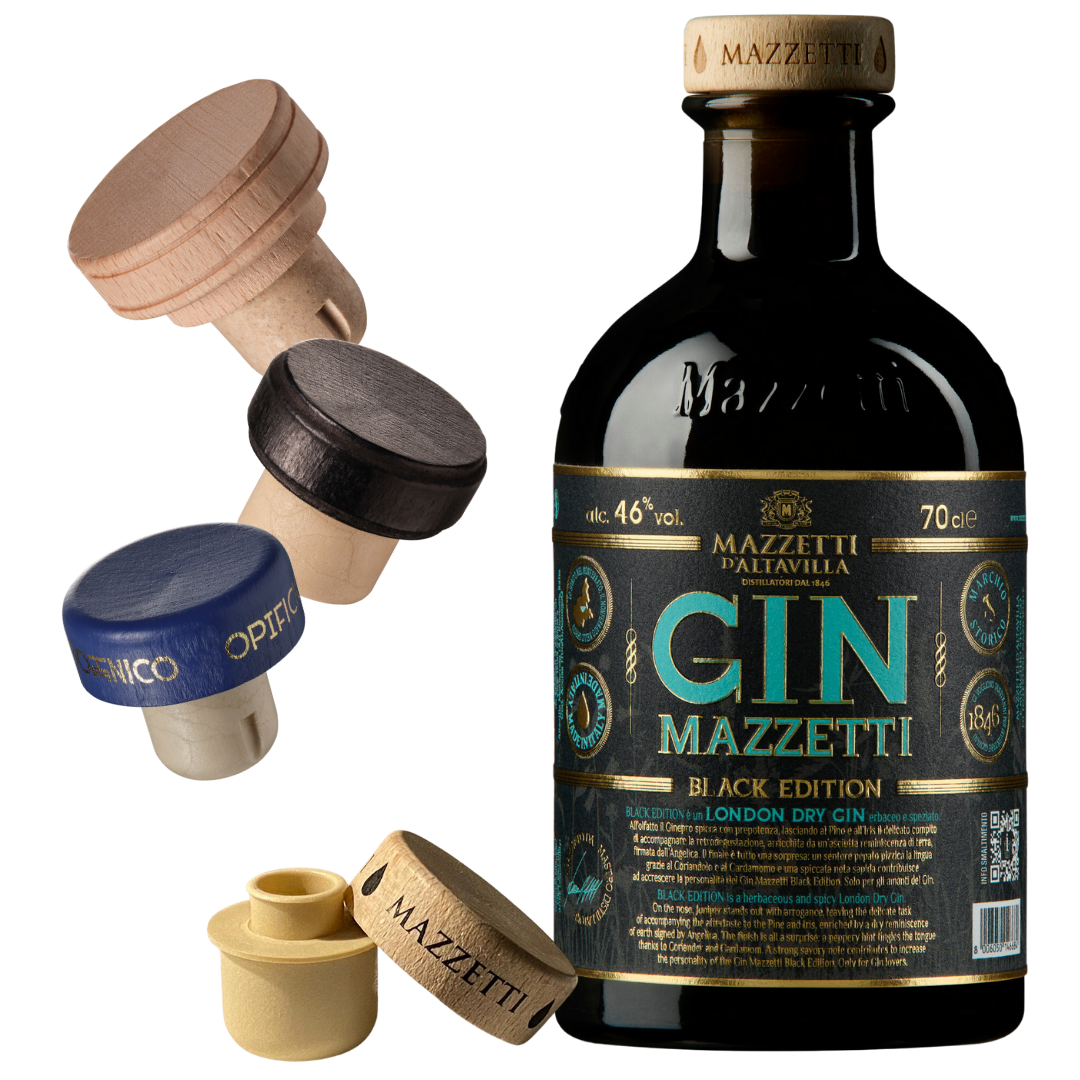
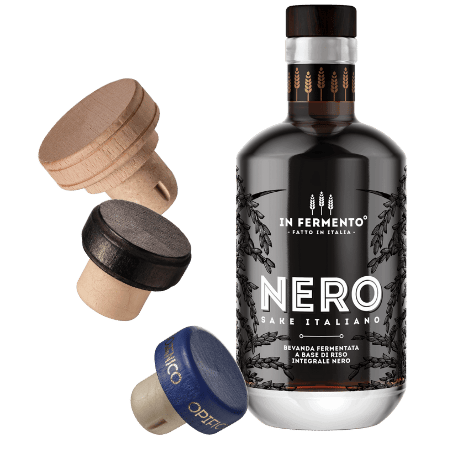
When it comes to synthetic, monoblock, bartop or snap-on closures, choosing the right stem size is essential to avoid unpleasant surprises.
We often receive enquiries about how to find the perfect closure once the bottle has been chosen. In this first volume of our Technical Laboratory, we reveal the professional criteria for calculating stem and head dimensions, analysing glass tolerances and the importance of empirical testing.
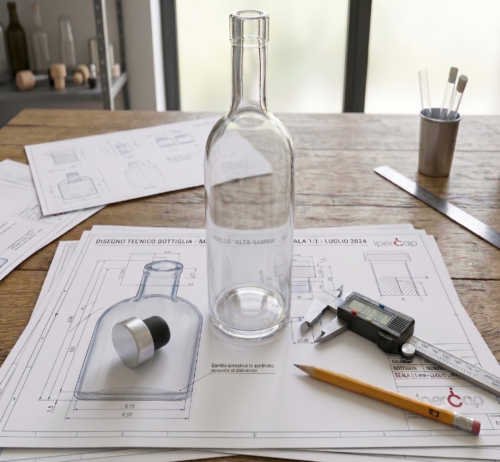
1. Analysis of the Technical Drawing
The first step is to send us the technical drawing of the bottle. The key data we will be analysing are:
Outer diameter of the neck: required to determine the size of the cap head.
Inner diameter of the neck: essential for determining the size of the stem.

2. Calculating proportions (the +1mm rule)
To ensure a secure, airtight seal:
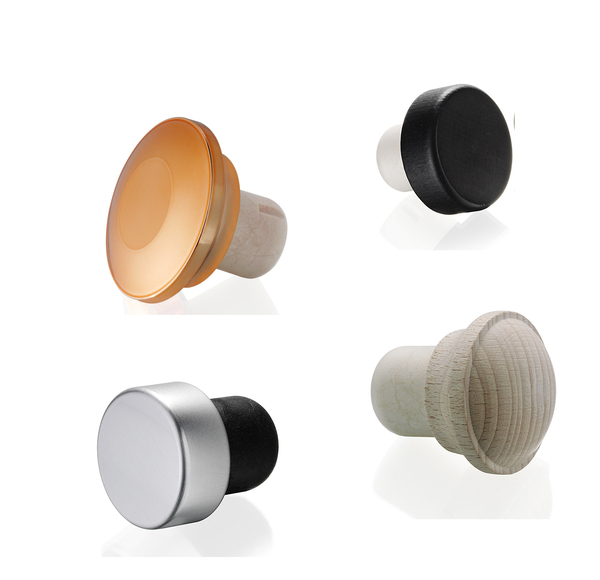
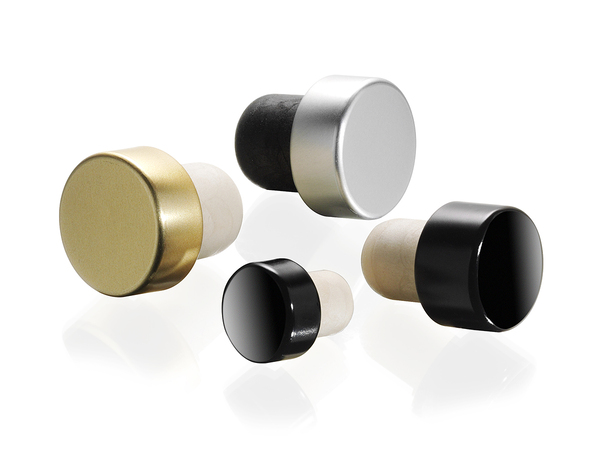
- The Shank: We generally recommend a shank diameter that is at least 1 mm larger than the nominal diameter of the bottle neck. This interference ensures the compression required for a secure seal.
- The Head: The diameter of the head must be equal to or slightly smaller (by a fraction of a millimetre) than the external diameter of the bottle neck to ensure a clean appearance and an ergonomic grip.
3. Be aware of tolerances (nominal vs actual values)
The technical drawing shows nominal values, but glass bottles have inherent tolerances (usually ± 0.5 mm).
Ipercap’s advice: Don’t rely solely on the drawing. Physically measure the bottles from the production batch, as a variation of half a millimetre can drastically alter the performance of the chosen neck.

4. Empirical Evidence: The Definitive Test
Before placing large orders, we always recommend carrying out a practical test:
Fit the caps and check the seal in various positions. Every liquid has a different viscosity and interacts differently with materials; practical testing is the only way to guarantee the final result.
Select 4–5 bottles from the actual batch.
Fill them with the specific liquid (liqueur, spirit, oil, balsamic vinegar) and check that there are no issues.
5. Different materials, different behaviours
Synthetic, natural cork or Syncork? Each material has a different density and springiness:
- Synthetic offers millimetre-precise consistency.
- Cork is a natural polymer with its own unique properties.
- Syncork combines the advantages of both.
Not sure about the dimensions? Our technical department is here to help you analyse your designs and recommend the perfect solution for your product. Please contact us for technical advice